Most small coffee shops start the same way — with passion.
A love for coffee. A dream of opening a cozy space. The idea of creating a place where people come to relax, work, or catch up with friends. But once the shop actually opens, reality kicks in pretty quickly.
Running a café isn’t just about brewing coffee or chatting with customers. There’s inventory to manage, suppliers to contact, menus to update, and finances to keep track of. For many small shop owners, the job quickly turns into a one-person operation.
One minute you’re the barista.
The next you’re taking orders.
Later you’re ordering beans, restocking milk, or trying to finish bookkeeping after closing.
When most of your time goes into simply running the shop, it’s hard to step back and think about marketing your coffee shop. And when people start talking about running ads or launching marketing campaigns, many small cafés hesitate. Paid advertising can feel expensive, unpredictable, and risky — especially when budgets are tight.
But here’s the good news: small coffee shops don’t always need big marketing budgets to grow.
Sometimes the most effective strategy is much simpler — focus on the customers who already love your café. For many small coffee shops, loyal regulars are what truly keep the business going.
How Small Coffee Shops Can Work Less and Build More Loyal Customers
1. Focus Your Marketing on Regular Customers
Studies from Harvard Business Review and Bain & Company show that acquiring a new customer can cost 5-25 times more than keeping an existing one. Even more interestingly, improving customer retention by just 5% can increase profits by 25-95%.
That doesn’t mean cafés should stop trying to attract new customers. But for small businesses with limited time and resources, focusing on people who have already visited your shop is often the smarter place to start.
Why? Because they already know your coffee. They already like the atmosphere. They already trust your brand. Convincing someone who has visited before to come back again is usually far easier than trying to win over a completely new customer.
Over time, many regulars naturally turn their favorite café into part of their daily routine.
Think about it. If your shop has 20 regular customers who stop by for coffee every morning before work, and each drink costs 60 THB, that’s already about 1,200 THB in daily revenue before anyone else even walks through the door. Add a pastry here and there, maybe a second drink in the afternoon, and that number grows even more.
This is why repeat customers are so valuable for small coffee shops.
2. Give Customers a Reason to Come Back
So how do you encourage customers to return more often?
Sometimes it’s the basics: consistently good coffee, friendly service, or a comfortable space where people enjoy spending time. But beyond that, many cafés also give customers an extra reason to come back through loyalty rewards.
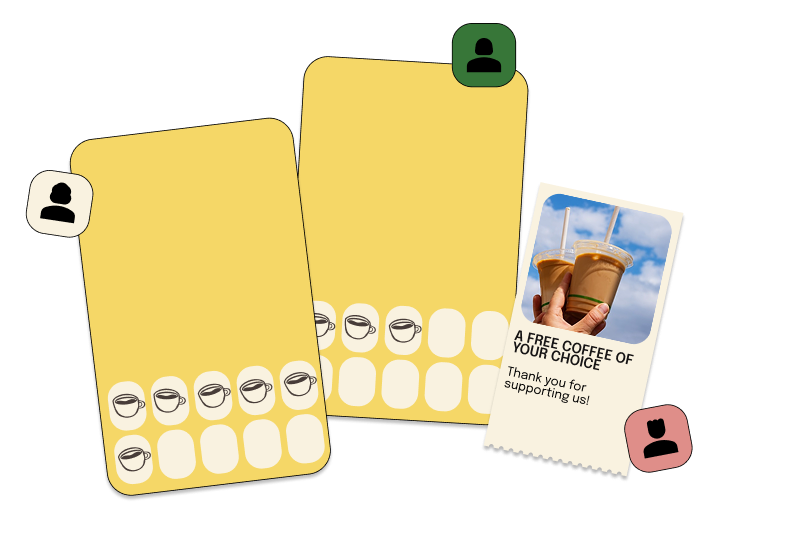
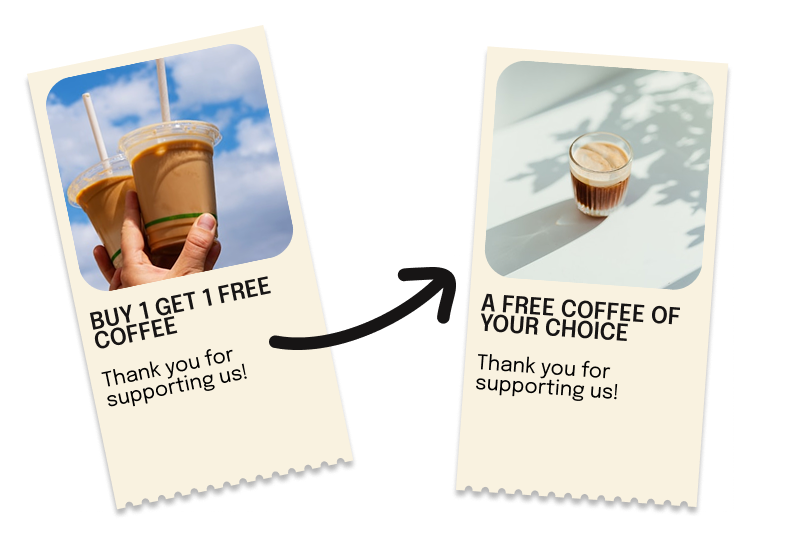
You’ve probably seen the classic example before — a stamp loyalty card. Buy one drink, get one stamp. Collect ten stamps and receive a free drink. It’s simple, familiar, and surprisingly effective.
But before launching a loyalty campaign, café owners should think about two things: cost and effort.
You need to understand the cost of your rewards.
First, it helps to understand how much the reward actually costs the business.
A simple way to calculate this is:
Reward value ÷ number of required purchases = cost per purchase
For example:
If your café offers one free drink after 10 purchases, and each drink costs 60 THB, the
calculation would look like this:
60 ÷ 10 = 6 THB
In other words, your loyalty program is effectively giving customers an average discount of about 6 THB per drink.
Next, you need to understand the cost of your effort.
The second thing to think about is how much work it takes to manage the system.
Traditional stamp cards work — but they can also be a bit messy. Cards get lost, customers forget to bring them, and staff have to remember to stamp them every time.
This is why many cafés today are switching to digital loyalty programs.
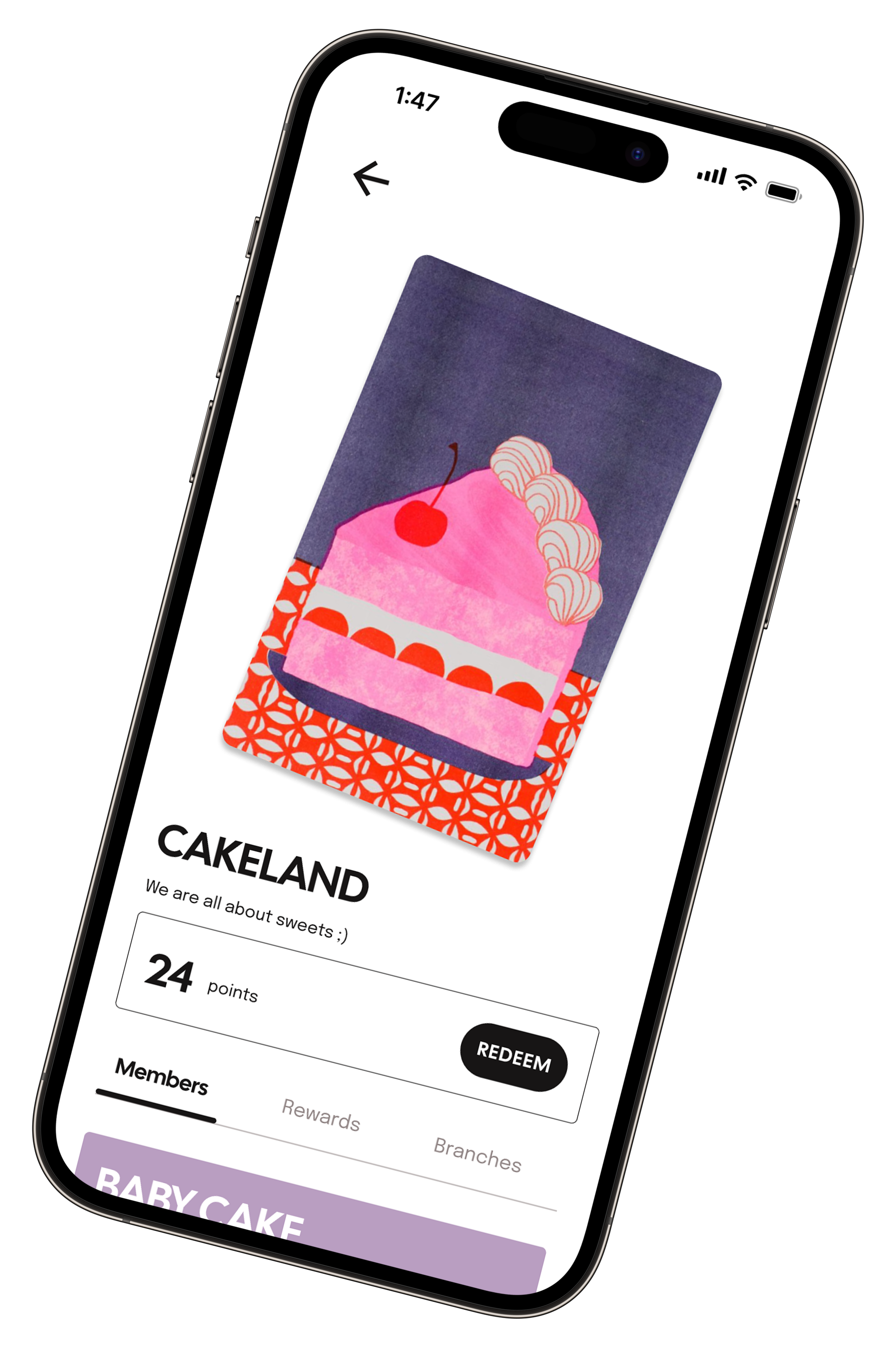
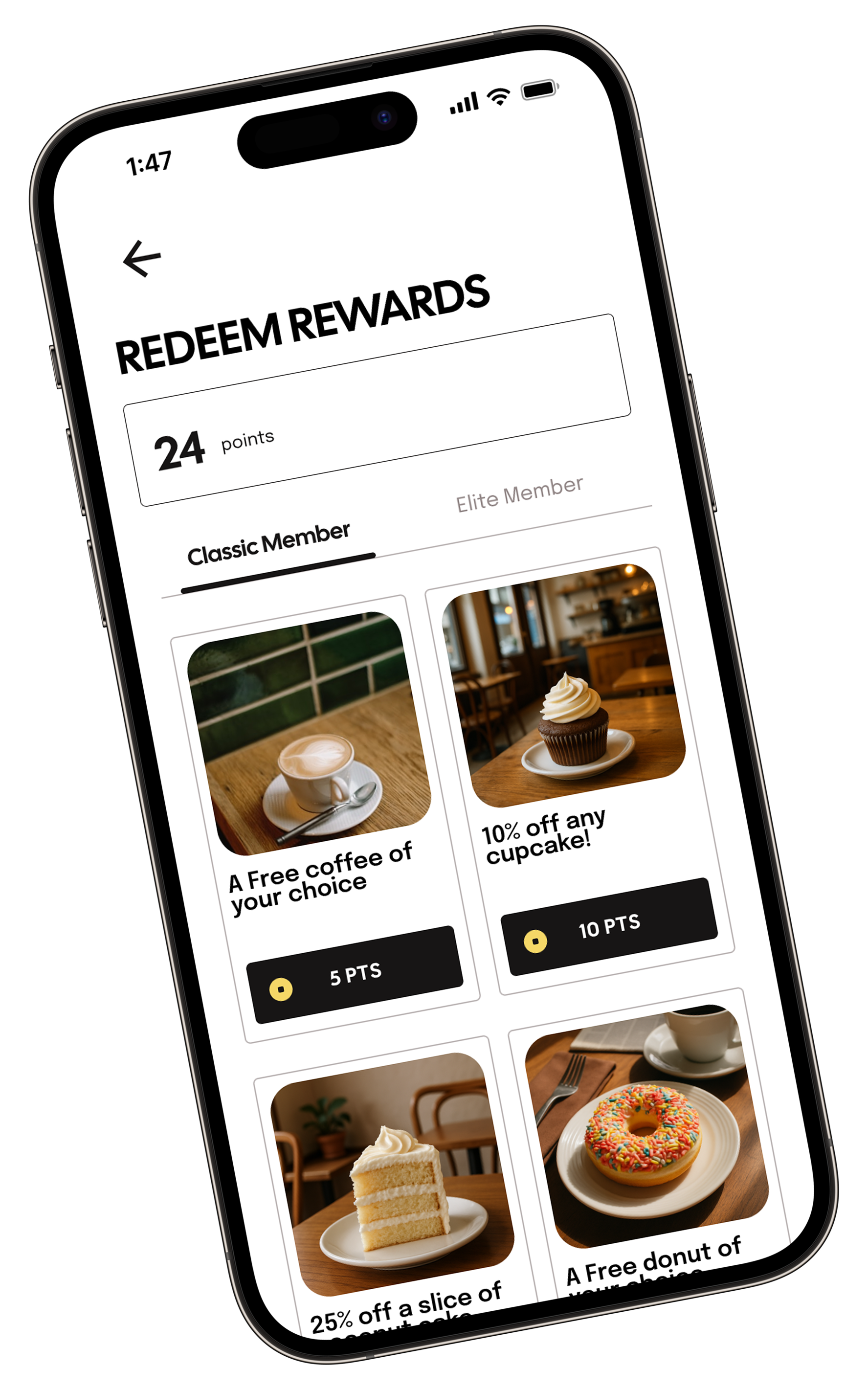
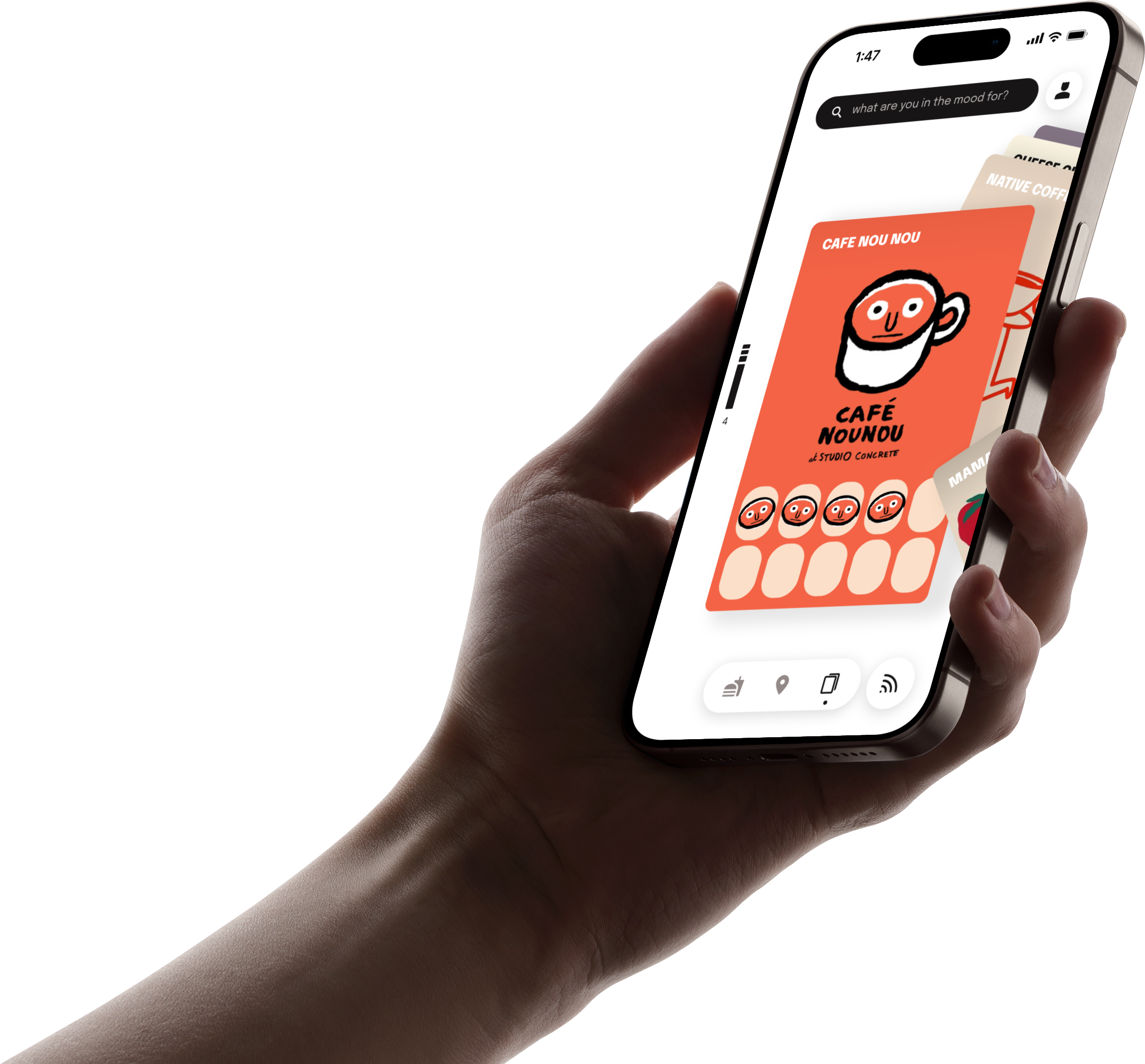
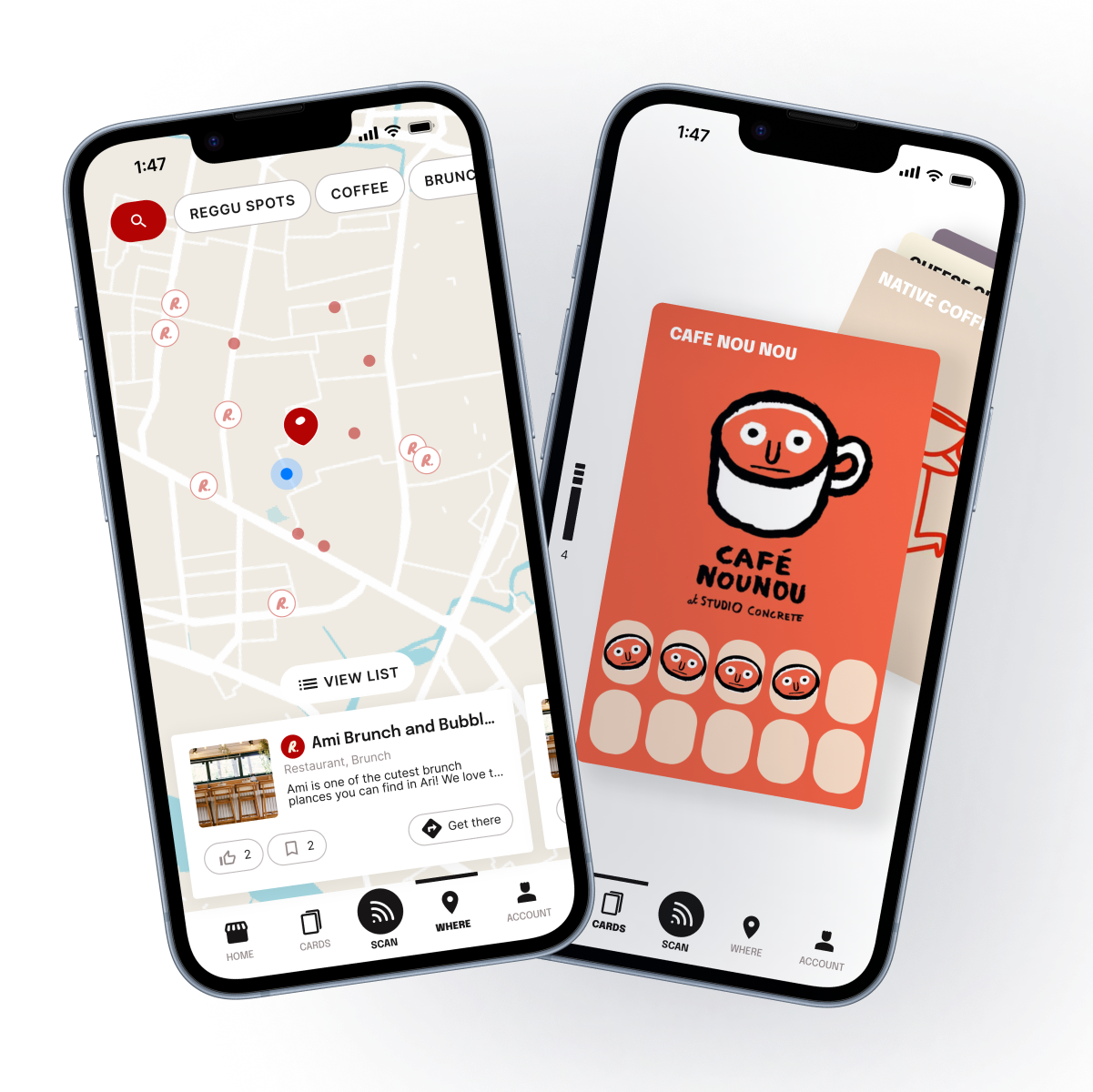
Instead of printing cards or tracking stamps manually, everything runs through an app. Customers collect points digitally, and the system automatically records their visits and rewards.
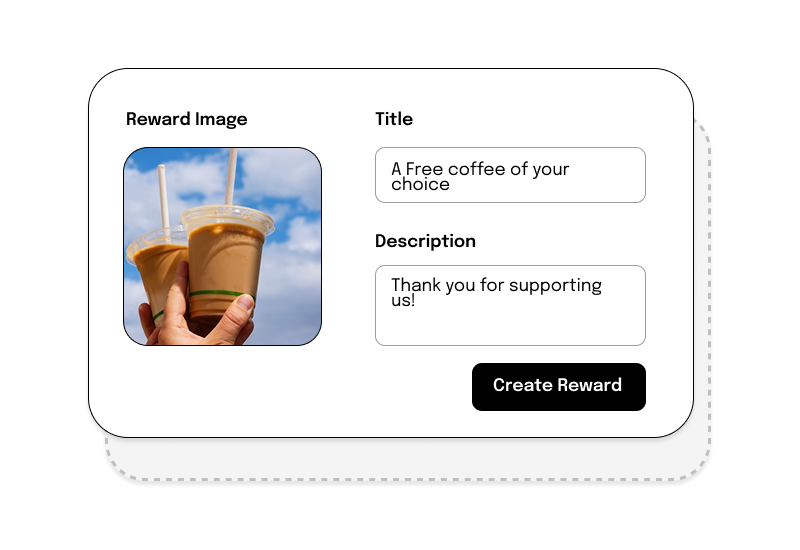
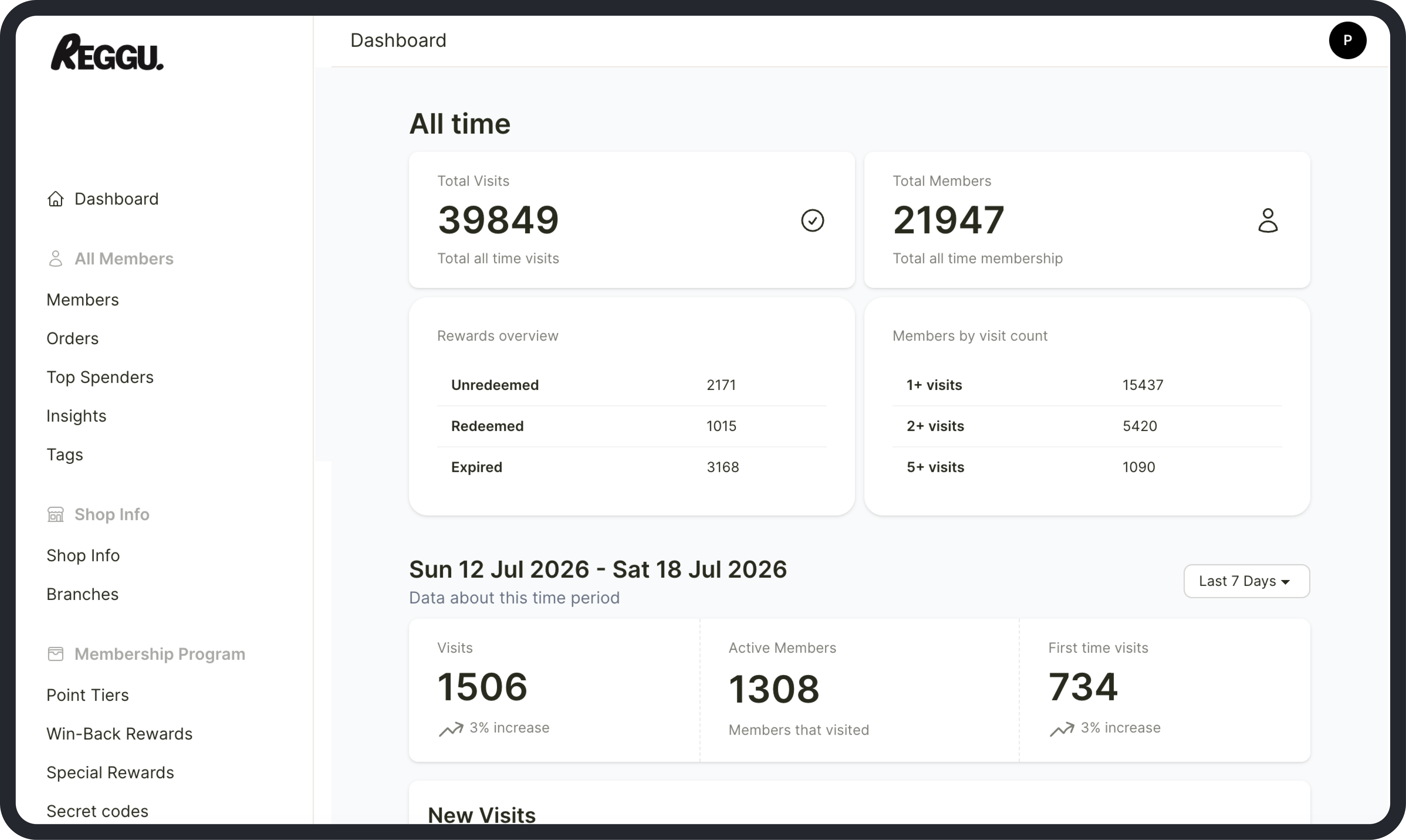
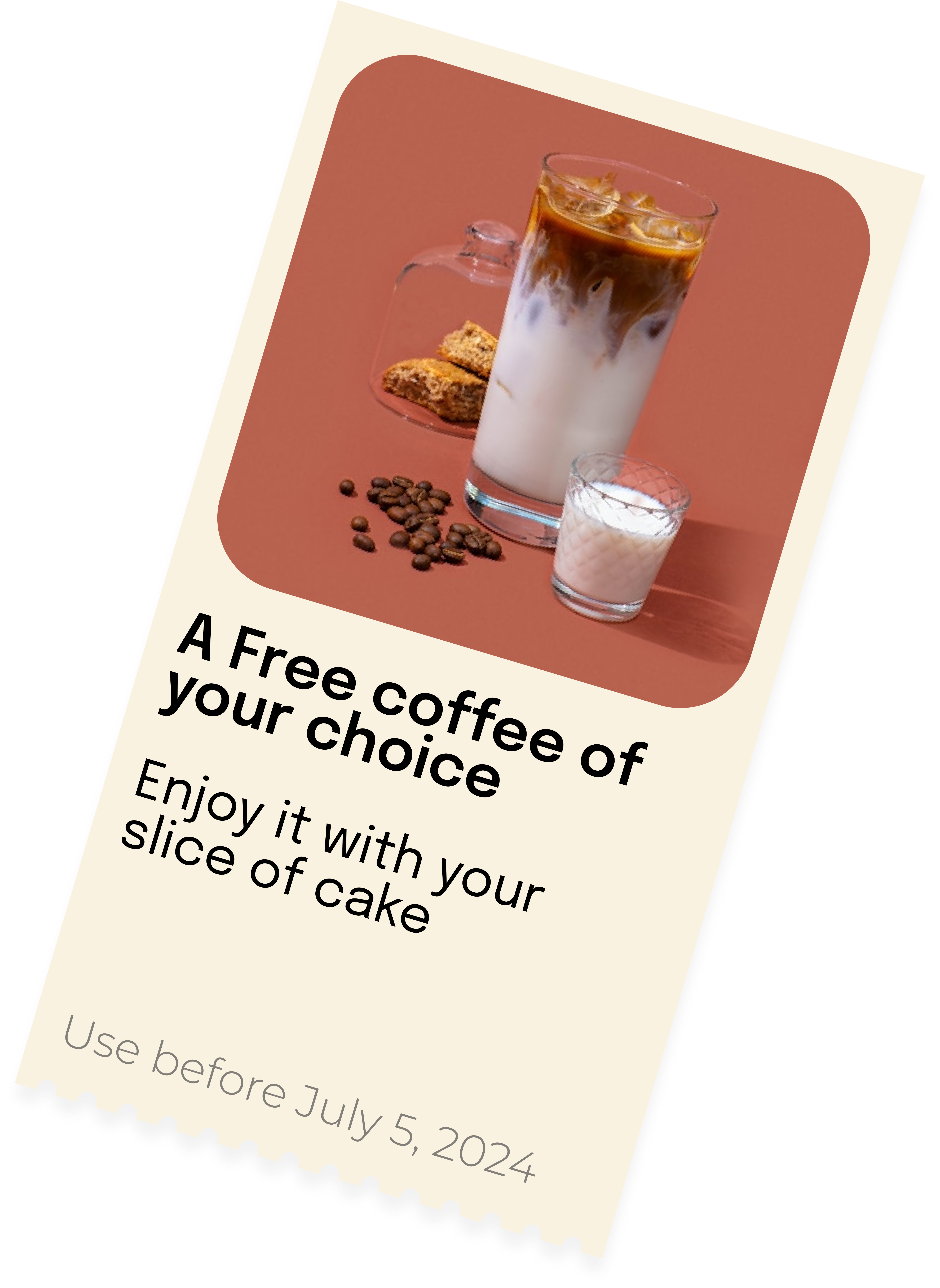
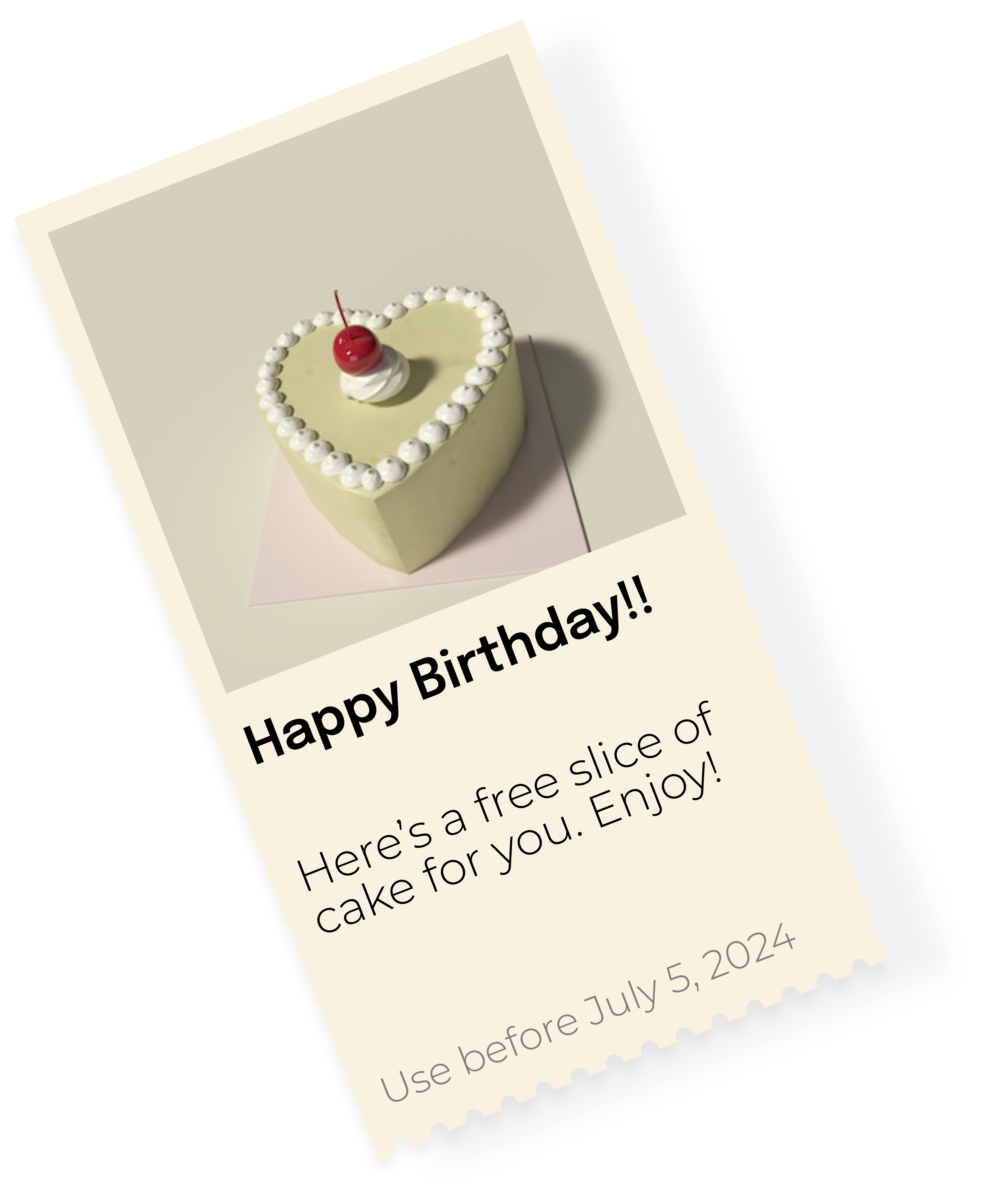
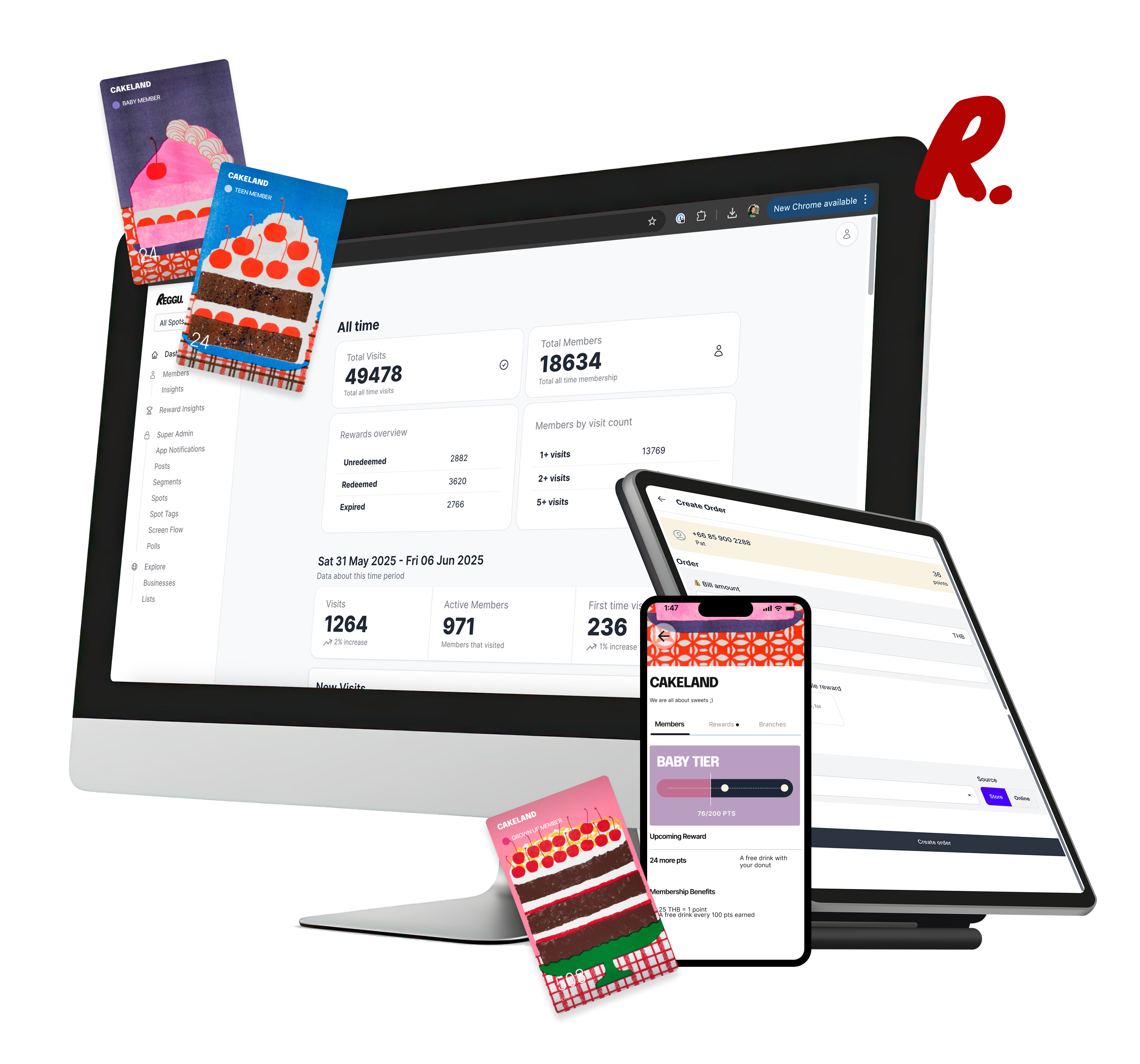
Some tools are designed specifically for small businesses. One example is Reggu, which allows cafés to set up a simple digital loyalty program that helps reward repeat customers without adding extra work for the staff.
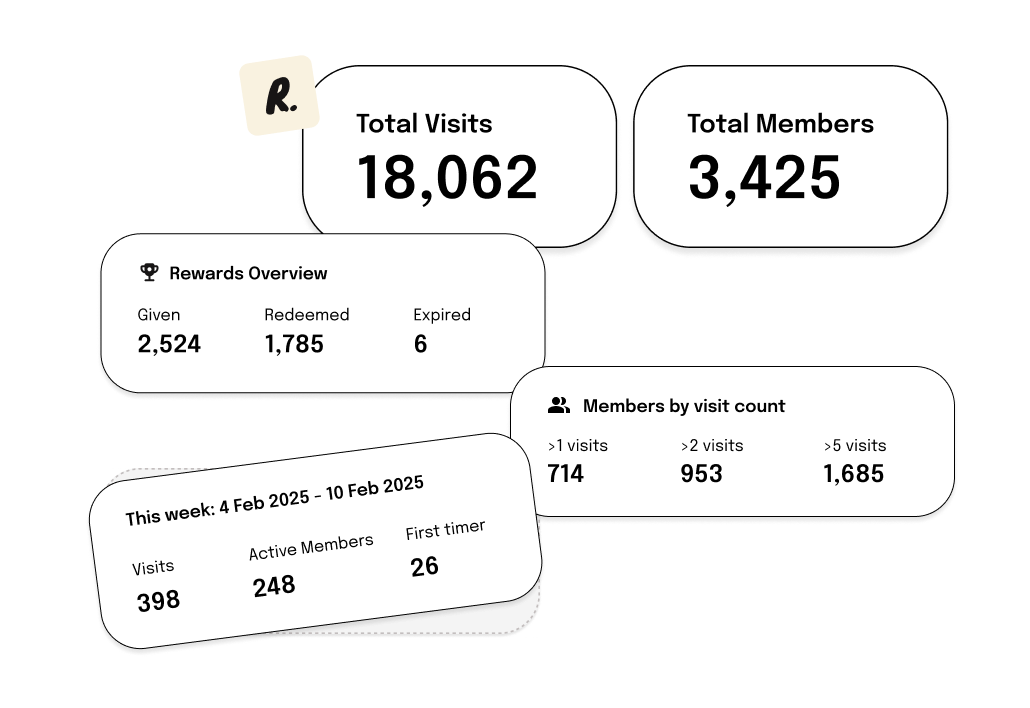
And because everything happens digitally, shop owners also gain access to valuable customer insights.
3. How Loyalty Programs Help Coffee Shops Build Regular Customers
You might be wondering if customers already come to the café regularly, why introduce a loyalty program at all? Because loyalty programs do more than just reward existing customers — they also encourage people to return more often.
- Encourage Repeat Visits
Data from coffee shops using Reggu shows that more than 90% of customers who start collecting points eventually redeem a reward. Before reaching that reward, customers typically return to the shop around five times on average.
That means the loyalty program isn’t just a small promotion. It creates a clear reason for customers to keep coming back. Over time, these repeat visits gradually turn occasional customers into loyal regulars.
- Make Your Marketing More Targeted
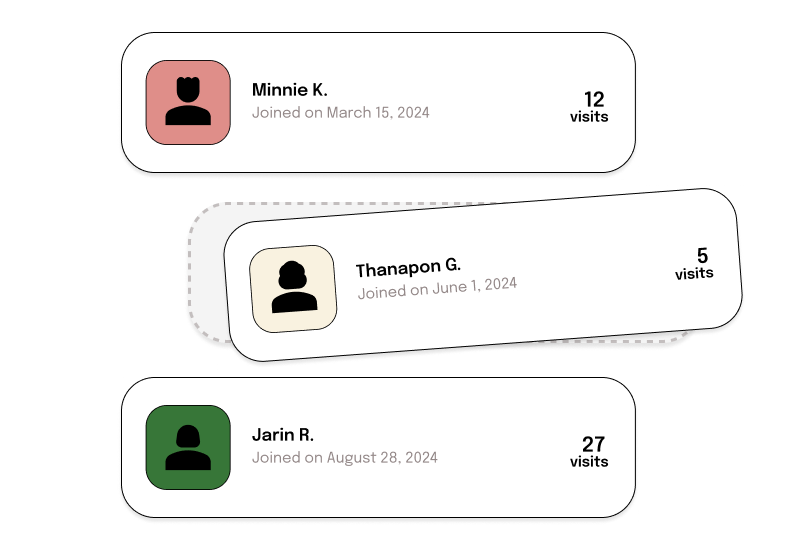
Another benefit of digital loyalty systems is the data they collect. Instead of guessing what customers want, café owners can start to see real patterns, such as:
- which customers visit most frequently.
- which customers used to come often but have stopped visiting.
- what times of day bring the most traffic.
With this information, cafés can run more targeted promotions.
Instead of offering the same discount to everyone, you can focus on customers who are most likely to come back — which makes your marketing much more cost-effective. For small cafés, this can be far more efficient than constantly spending money on ads just to attract new visitors.
Small Coffee Shops Can Grow Too, with the Right System
For many small cafés, growth doesn’t always come from opening more locations or launching big marketing campaigns. Sometimes it starts with something much simpler: customers who keep coming back.
The regular who grabs coffee before work.
The freelancer who spends quiet afternoons at the café.
The group of friends who meet there every weekend.
These small, everyday moments slowly build a loyal community around the shop.
And in the long run, that community is often what keeps a small café alive. You don’t always need a big team or a large marketing budget to grow a coffee shop. Sometimes what matters most is having the right systems in place to turn everyday customers into loyal regulars.
With the right tools, running the café you’ve always dreamed about might not feel so far away after all.